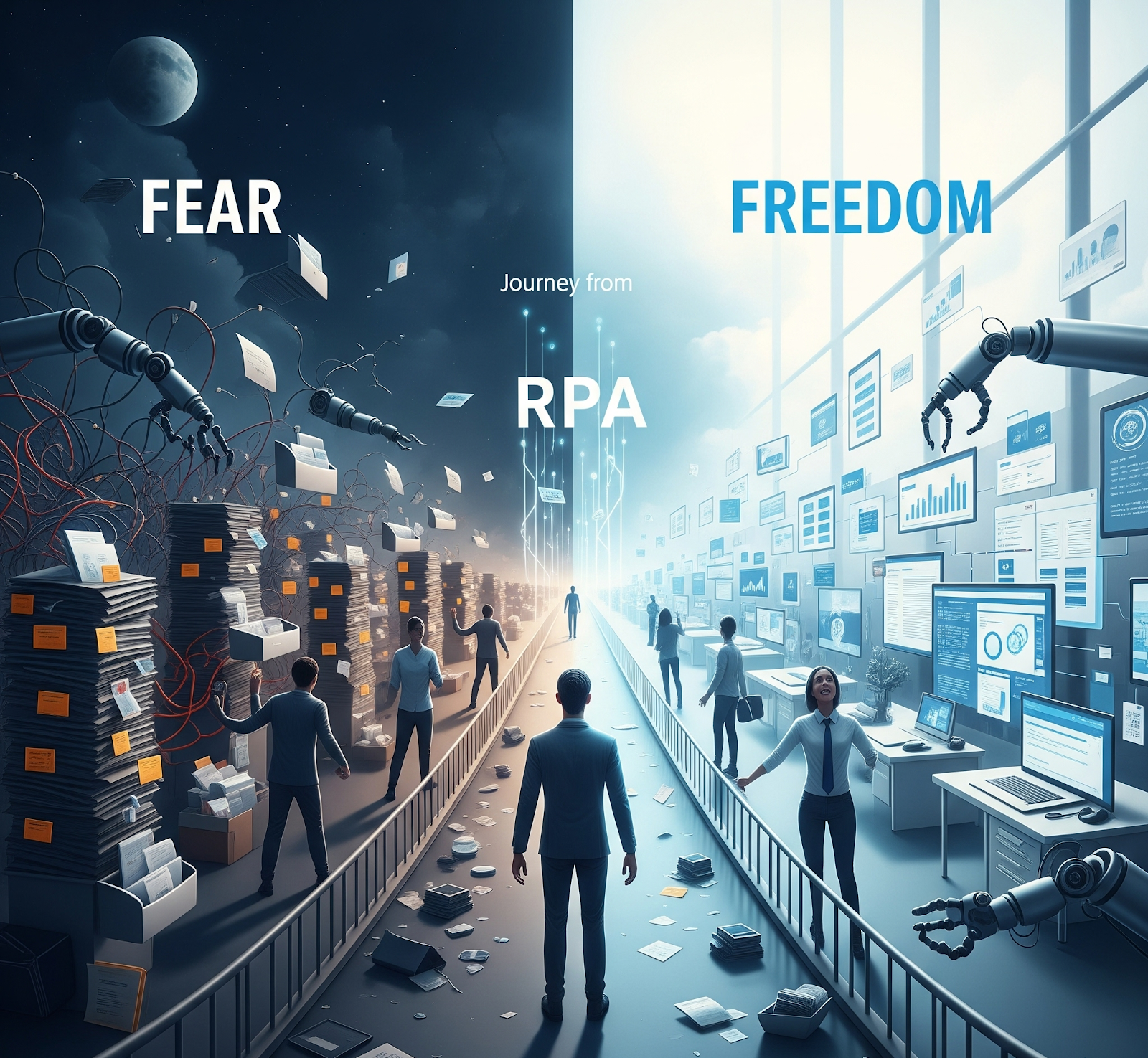

You know what? I’ll be honest with you. Three months ago, I was sitting in my car after dropping my daughter off at school, scrolling through LinkedIn, and having what I can only describe as a mild panic attack. Every other post was about AI this, automation that, “the future of work is here” blah blah blah.
My first thought? Great. Here I’m, helping my 16-year-old choose between biology and computer science for next year, and I have absolutely no clue what the job market will look like when she graduates.
But then something interesting happened. Last week, I was grabbing lunch with my friend Kavya – she’s been teaching high school math for like, forever – and she said something that completely changed my perspective.
When Your Math Teacher Becomes a Tech Champion
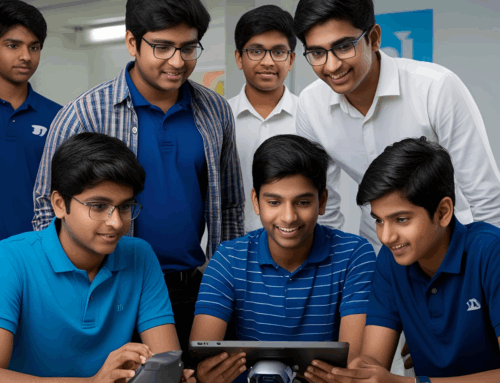
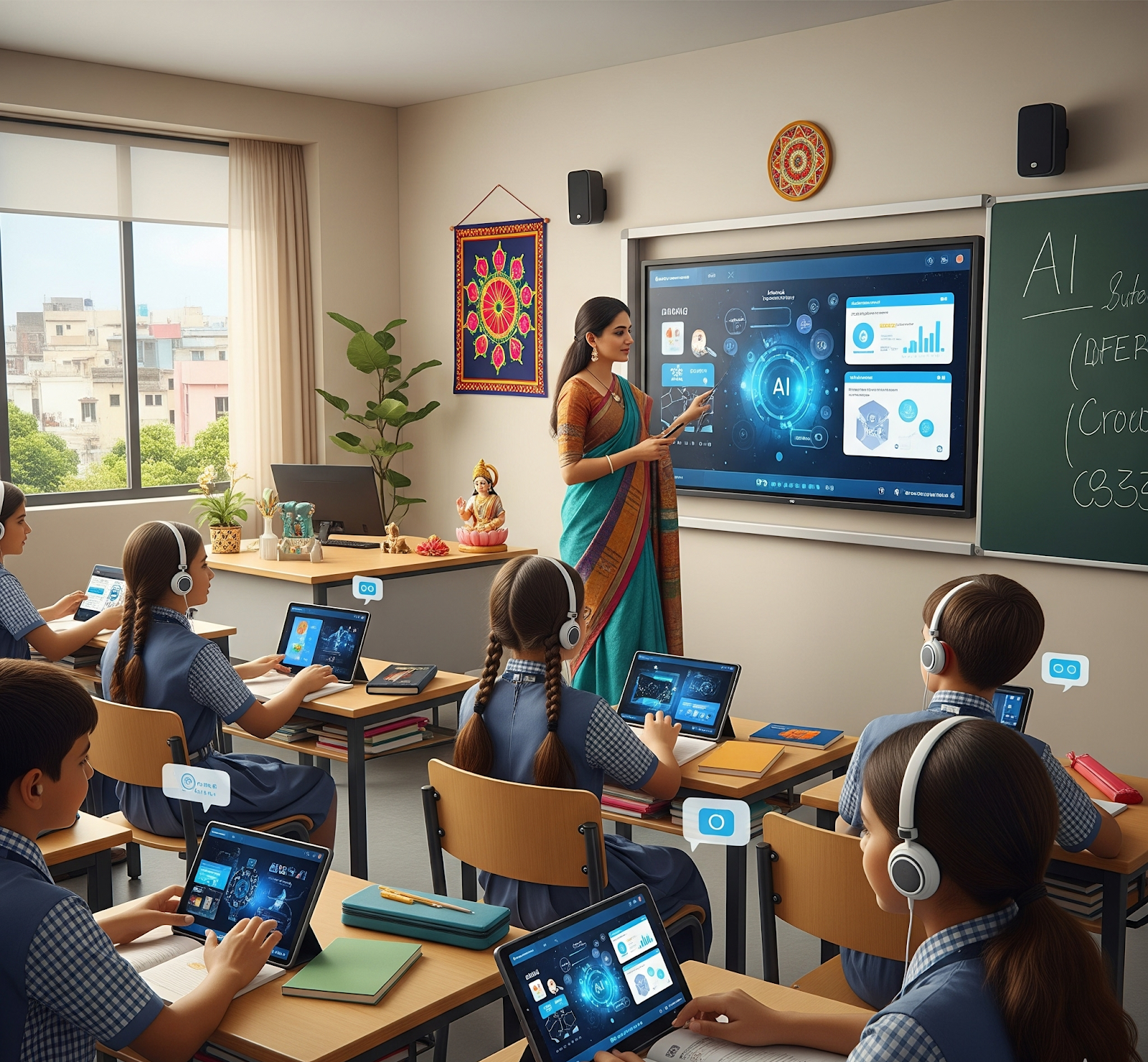
“You won’t believe what happened in my class yesterday,” Kavya said, practically bouncing in her seat. “This kid, Arjun – he’s usually struggling, right? – he used this AI tool to help him understand calculus concepts. Not to cheat,” she added quickly, “but to actually learn.”
Apparently, Arjun had been stuck on derivatives for weeks. The AI tutoring app broke down the concept in like five different ways until something clicked. Now he’s explaining it to other students.
“I thought AI was going to make kids lazy,” Kavya admitted. “Turns out, it’s making the curious ones even more curious.”
That got me thinking. Maybe we’ve been looking at this whole AI-in-education thing backwards.
The Messy Reality Nobody Talks About
Here’s the thing everyone’s dancing around – traditional education is kind of… stuck. I mean, my daughter is learning basically the same Java programming I learned in college fifteen years ago. Meanwhile, companies are desperately seeking individuals who understand machine learning, data analysis, and crucially, how to work effectively with AI tools.
It’s like we’re preparing kids for 2010 while they’re heading into 2030.
I was talking to this guy, Suresh, at a neighbor’s party last month. He runs the HR department at some tech company in Bangalore.
“We’re hiring people with computer science degrees who’ve never actually built anything real,” he said. “But then we meet someone who’s done a practical program – maybe through something like VishvaVidya or similar organizations – and they understand not just the theory but how to apply it. Guess who we hire?”
That hit me hard because… yeah, that makes sense.
My Nephew’s Accidental Success Story
So my nephew Aditya – he’s 24, graduated two years ago with an engineering degree, couldn’t find a decent job. Classic story, right? He was delivering food on his bike and honestly, the family was getting worried.
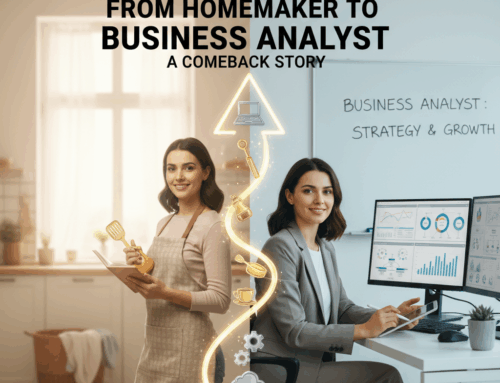
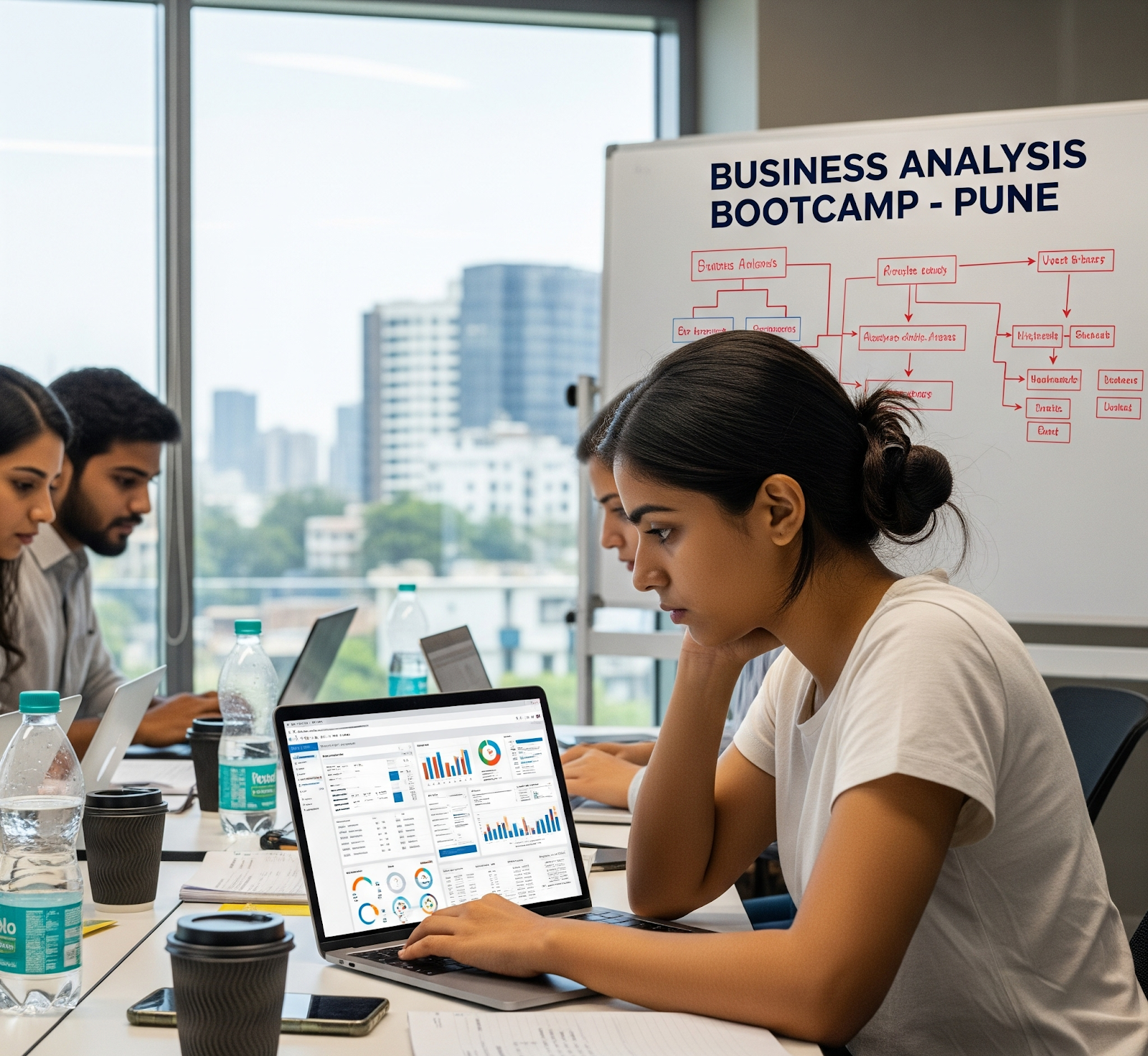
Then his friend told him about this mentorship program. To be honest, I was skeptical. Another online course promising the moon? But Aditya was desperate, so he signed up for VishvaVidya’s Business Analyst program.
What happened next still blows my mind.
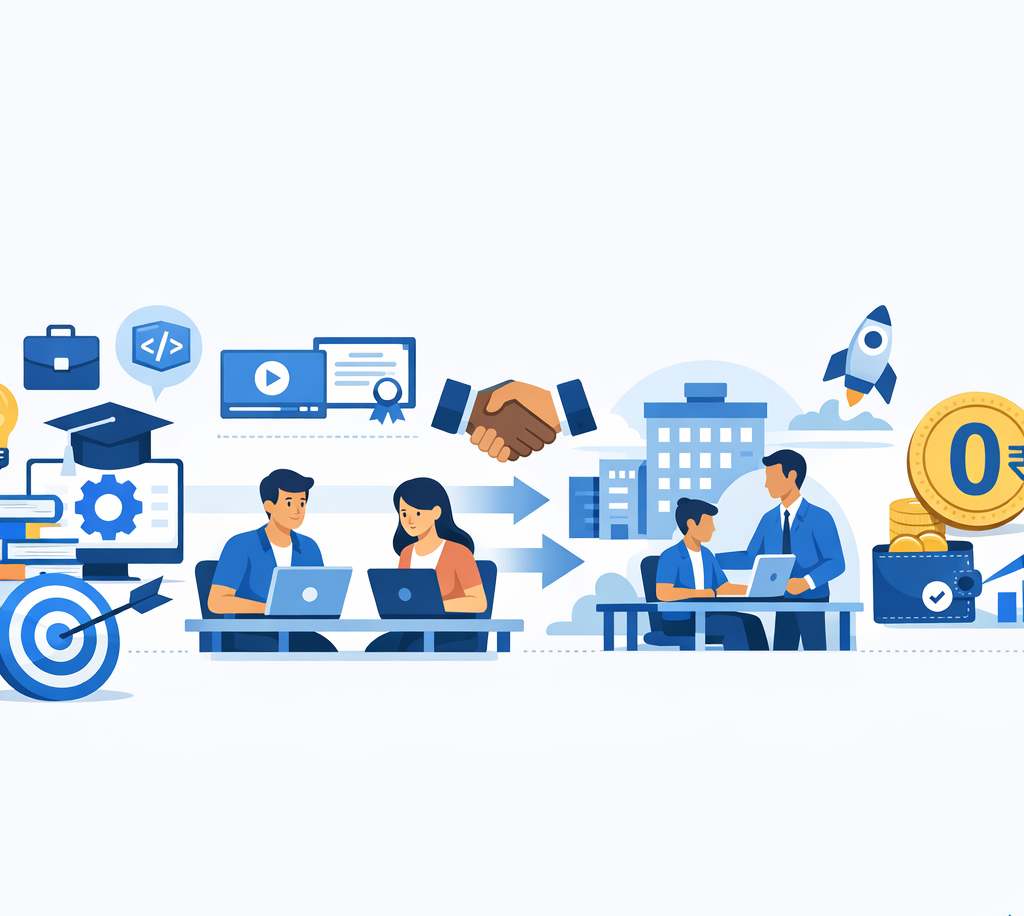
Instead of just teaching him theoretical stuff, they paired him with a mentor who actually works as a BA at a fintech company. Real projects, real problems, real deadlines. Aditya spent six months learning how to translate business needs into technical solutions – and yeah, a big part of that involved understanding AI tools and when to use them.
Last month, he got hired. Not as a junior BA, but as someone who specifically helps companies implement AI solutions in their existing workflows.
The kicker? “I don’t write a single line of code,” he told me. “I just know how to make AI work for actual business problems.”
The Stuff That Actually Matters (Plot Twist: It’s Not What You Think)
Okay, so here’s what I’ve figured out after months of overthinking this whole AI thing. The real skill isn’t learning to code neural networks or whatever. It’s learning to ask the right questions.
My friend Priya – she’s been trying to switch careers from marketing to something more technical – she put it perfectly: “AI tools are like having a really smart intern. They can do amazing things, but only if you know what to ask them to do and how to evaluate their work.”
She’s currently doing VishvaVidya’s Digital Marketing program (yeah, they have that too), and she showed me some of the stuff she’s working on. It’s not just “how to use AI for marketing” – it’s understanding customer behavior, data analysis, and strategy. The AI tools are just… tools.
But here’s what’s cool – she’s learning all this alongside people from completely different backgrounds. Engineers wanting to understand business, business folks wanting to get more technical, and people coming back to work after raising kids. It’s this whole community of people figuring things out together.
Why I’m Actually Optimistic Now
Look, I’m not going to pretend I have all the answers. Six months ago, I was Searching “will AI take my job” at 2 AM like everyone else. But here’s what I’ve learned from watching real people navigate this whole message:
AI isn’t making human skills obsolete. It’s making human skills more important.
My daughter’s counselor said something that stuck with me: “The students who thrive aren’t the ones who know the most about technology. They’re the ones who know how to learn, how to adapt, and how to work well with others.”
That’s exactly what I see in programs like VishvaVidya’s mentorship approach. They’re not just teaching technical skills – they’re creating connections, building confidence, helping people figure out how to position themselves in this weird new job market.
The Real Talk Section
So what does this mean for you? Or your kids? Or your career?
Honestly, I think we need to stop freaking out about AI and start getting curious about it. Not in a “I need to become a data scientist overnight” way, but in a “how can this make my work better” way.
Start small. Take a course. Join a community. Find a mentor who’s already doing what you want to do. Organizations like VishvaVidya make this easier than it’s ever been – whether you’re fresher or looking to completely switch gears.
My nephew Aditya always says the best thing about his program wasn’t the technical training – it was having someone who believed he could figure it out. Someone who’d already walked the path and could show him it was possible.
And you know what? That’s probably what education has always been about, even before we started throwing AI into the mix. People helping people figure things out.
The only difference now is that the tools are getting smarter, which means we can focus on getting more human.
That doesn’t sound so scary to me anymore.