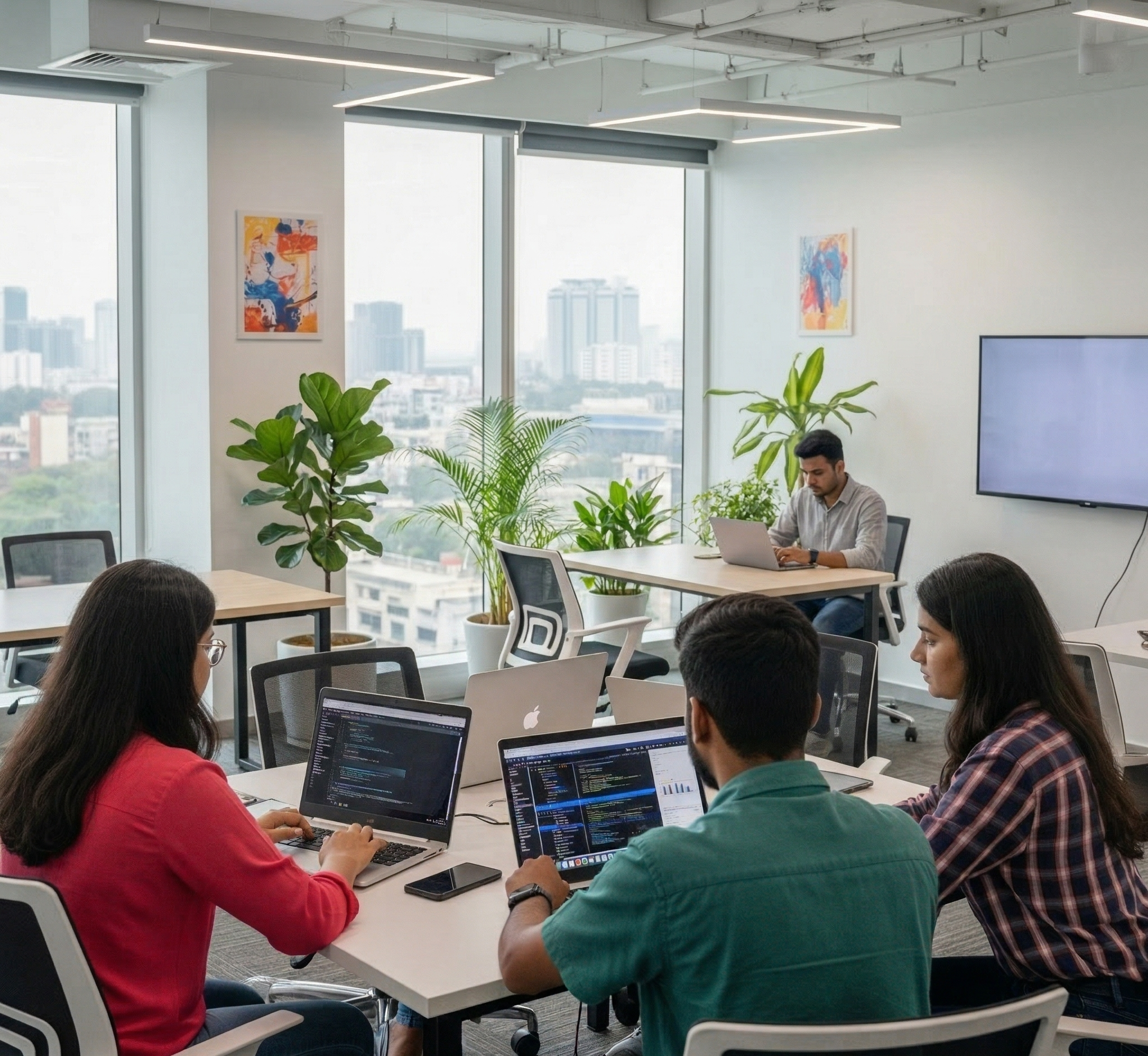


Introduction: Why Free Training Institutes with Real Work Experience Matter in India
Access to quality education and hands-on experience is a defining factor for career success. In India, where millions of students graduate each year, the gap between academic learning and industry expectations remains wide. Free training institutes that combine structured learning with real work experience address this gap by providing practical skills, demonstrated capabilities, and a pathway to employment for students, freshers, and working professionals seeking to upskill.
What Is a Free Training Institute with Real Work Experience?
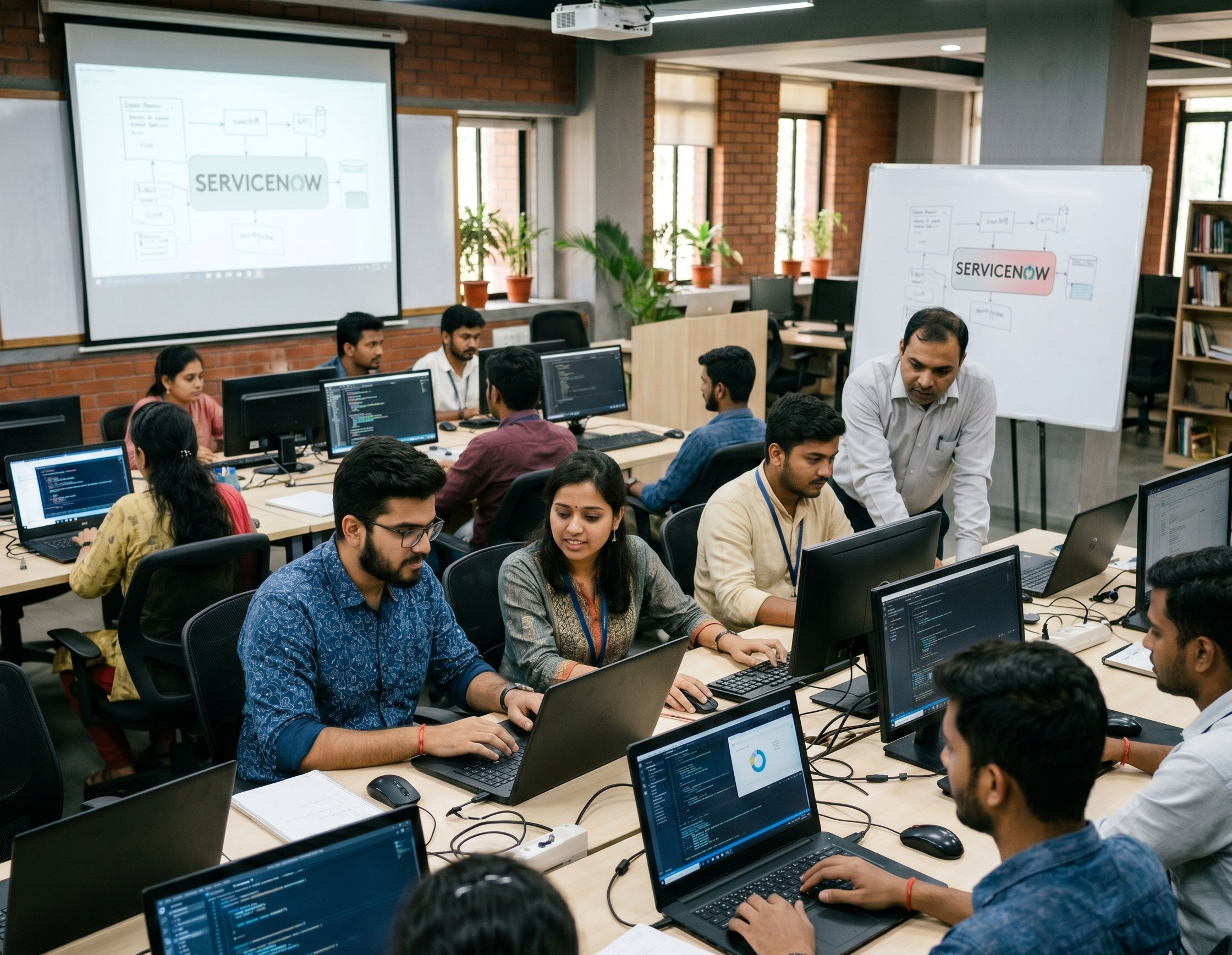
A free training institute with real work experience offers no-cost or subsidized courses that pair classroom-style instruction with hands-on opportunities such as live projects, internships, apprenticeships, or industry collaborations. The objective is to ensure learners not only understand concepts but can apply them in workplace settings, making them job-ready faster and with greater confidence.
Why This Model Works Well for India
Bridges the Academia-Industry Divide
Many Indian universities emphasize theoretical knowledge. Employers such as TCS, Infosys, Wipro, and Tech Mahindra often look for candidates who can demonstrate practical problem-solving. A program that includes real work experience helps learners build portfolios and case studies that resonate with recruiters.
Cost-Effective Upskilling for Diverse Learners
Students from tier-2 and tier-3 cities, fresh graduates, and working professionals in small businesses or startups benefit from low-cost access to modern skills. Free training reduces financial barriers while practical experience enhances employability.
Supports National Skill Initiatives
Program models that emphasize practical training complement government initiatives such as Skill India and the National Apprenticeship Promotion Scheme (NAPS) by prioritizing industry-aligned competencies and employment outcomes.
Who Benefits Most?
College Students and Freshers
Engineering, commerce, and arts students can accelerate placement readiness through project-based learning. For example, a Pune engineering fresher can move from theory to contributing on a software maintenance project, strengthening campus placement prospects.
Working Professionals Seeking Career Switch
A marketing executive in Bengaluru who wants to pivot to data analytics can combine free coursework with a real-data project to build a demonstrable skill set without quitting their job.
Small Business Employees and Entrepreneurs
Employees at SMEs in cities like Jaipur or Kochi can upskill in areas such as digital marketing or cloud basics, applying new knowledge immediately to improve business outcomes.
Core Components of Effective Programs
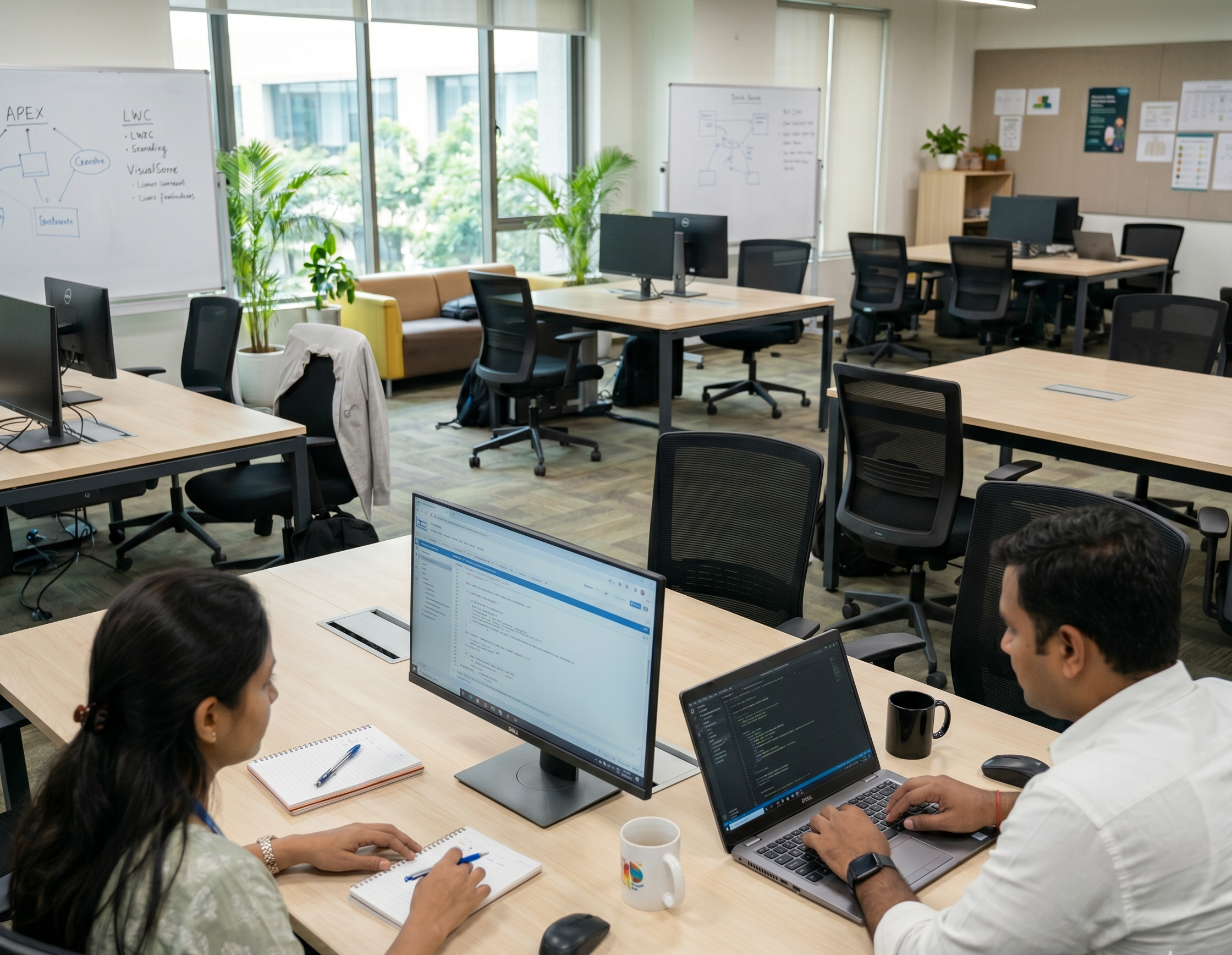
- Industry-Relevant Curriculum: Modules designed around current employer needs—software development, data analytics, digital marketing, manufacturing automation, and domain-specific skills.
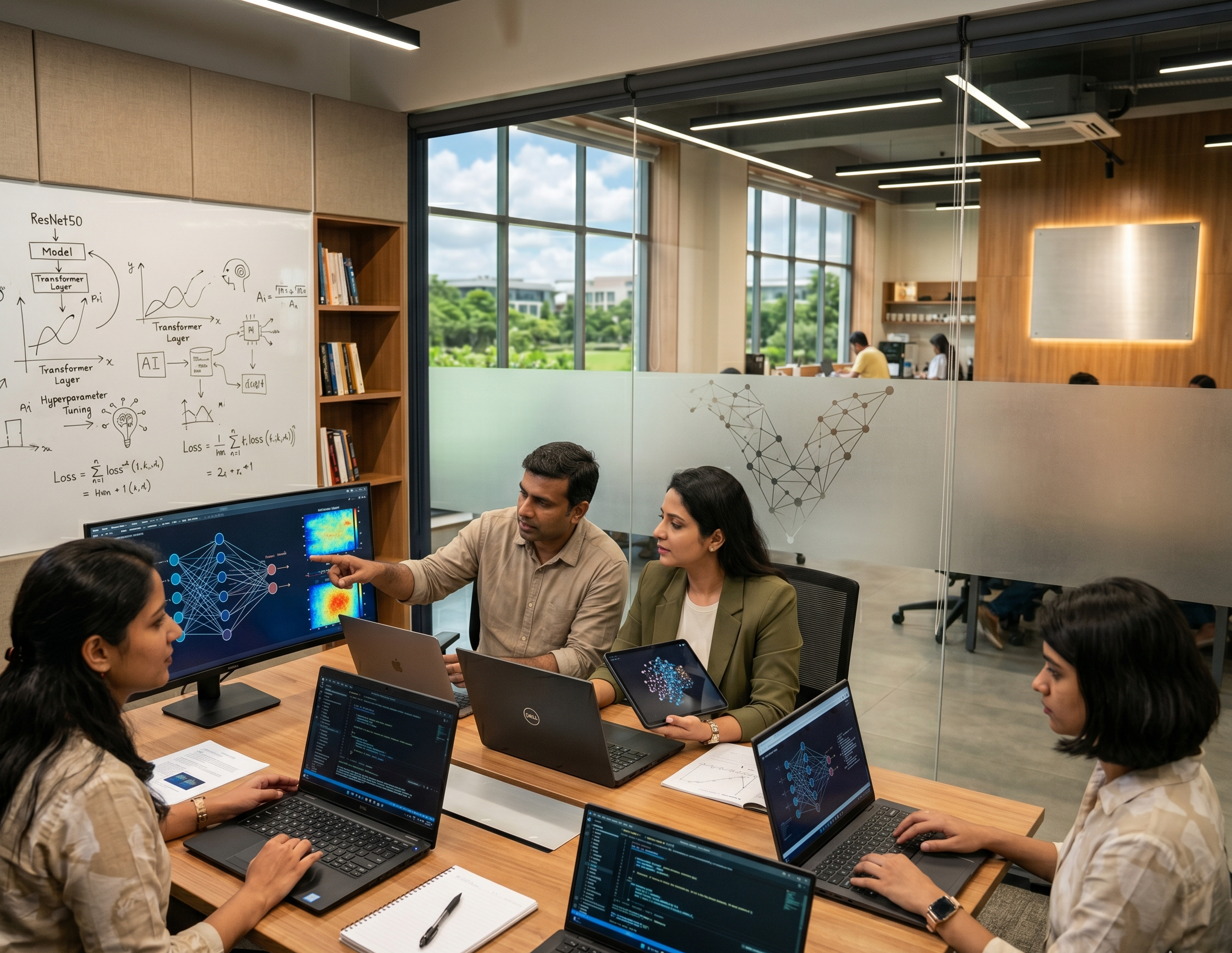
- Mentored Project Work: Live projects or simulated real-world assignments guided by industry mentors to convert theory into practice.
- Apprenticeships and Internships: Short-term placements with startups or established Indian companies to experience workplace dynamics and responsibilities.
- Assessment and Certification: Clear evaluations and recognized certificates that validate skills to hiring managers and recruiters.
- Career Guidance and Mentorship: Resume building, mock interviews, and placement support tailored to the Indian job market.
How to Evaluate Free Training Institutes
Curriculum Relevance
Check whether course content maps to the roles you are targeting. For example, if aiming for a role in product management, look for modules on product lifecycle, user research, and stakeholder communication rather than only theoretical frameworks.
Quality of Real Work Experience
Ask about the nature of projects: Are they industry-sponsored? Are they supervised by professionals with industry experience? Seek clarity on expected deliverables and evaluation criteria.
Placement and Alumni Outcomes
Review alumni stories and placement statistics. Did past learners secure roles in Indian IT service firms, startups in Bengaluru, or business functions in Mumbai-based companies? While exact guarantees vary, transparent outcomes indicate program credibility.
Mentorship and Support
Effective programs provide regular mentor interactions, feedback cycles, and career counselling. For freshers, access to mock interviews with HR professionals from Indian companies adds real value.
Practical Steps to Maximize Value from a Free Training Program
- Set Clear Goals: Define the role you want—software developer, data analyst, UI/UX designer—and choose project work that reflects that role.
- Build a Portfolio: Save project artifacts, case studies, code repositories, and presentations. A live GitHub repository or a project walkthrough video is powerful during interviews.
- Engage with Mentors: Use mentor sessions to get personalized feedback, understand industry expectations, and refine your approach to problem-solving.
- Network Actively: Connect with peers and industry professionals on platforms relevant to Indian job markets; participate in local meetups or campus placement drives.
- Document Learning: Maintain a learning journal to track progress and articulate growth during interviews.
India-Specific Examples of Career Paths Enabled by Free Training with Work Experience
Example 1: A BCom graduate in Lucknow completes a free digital marketing program with a six-week live project for a local e-commerce startup, leading to a role as a marketing associate.
Example 2: A mechanical engineering fresher from Coimbatore participates in a free industrial automation course with a supervised plant internship and secures a junior engineer role at a manufacturing firm.
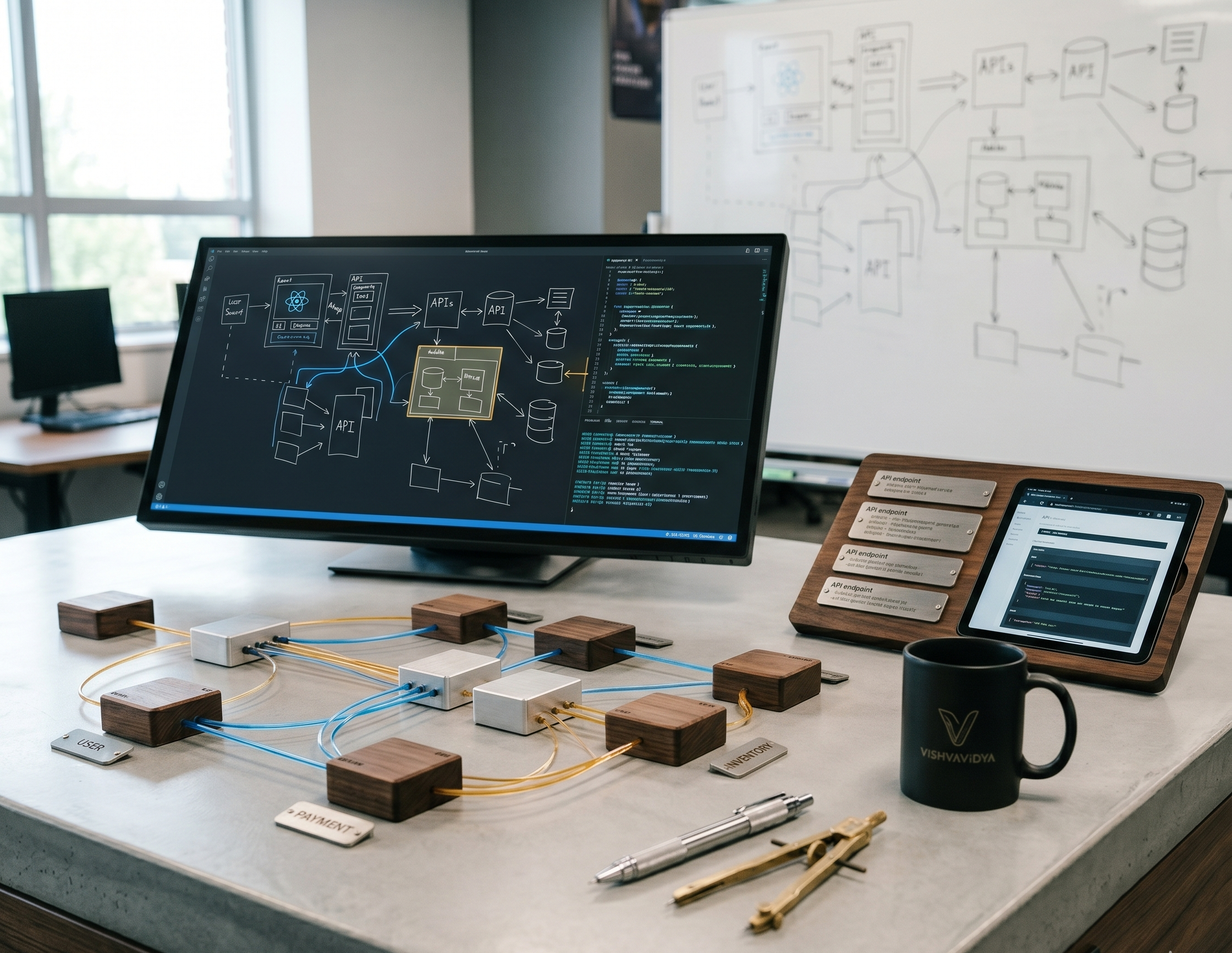
Example 3: A college student in Kolkata learns full-stack development through a free program that includes a collaborative app development project; the portfolio helps during campus placements with a product startup in Bengaluru.
Measuring Return on Time Invested
Beyond salary, measure outcomes using practical indicators: the number of interviews attended, projects completed, interview feedback quality, and increased confidence in tackling role-specific tasks. For many Indian learners, the fastest ROI is improved interview performance and a hire-ready portfolio.
Conclusion
Free training institutes that combine structured learning with real work experience are a powerful bridge between academic knowledge and employment in India’s competitive job market. Whether you are a student in a college in Chennai, a fresher from a tier-2 city, or a working professional aiming for a career shift, programs that prioritize practical projects, mentorship, and industry exposure can accelerate your career trajectory. Careful evaluation, active engagement, and a focus on building demonstrable outcomes are key to deriving maximum value from these opportunities.
Free Learning Opportunity with VishvaVidya
VishvaVidya offers a trusted platform for industry-relevant training combined with practical upskilling programs and dedicated mentorship. Designed for learners across India—students, freshers, and working professionals—VishvaVidya provides:
- Free learning pathways that cover in-demand skills aligned to employer needs.
- Free resources including course materials, project templates, and assessment guides to build real portfolios.
- Free access to mentorship, career guidance, and structured upskilling programs that include project-based work and industry-relevant assessments.
If you are ready to take the next step in your professional journey, start learning for free with VishvaVidya. Explore courses, join mentorship sessions, and apply your learning through practical projects to improve employability. Take advantage of free resources and free access to begin building demonstrable skills today.
Start your free learning journey with VishvaVidya now—explore courses, connect with mentors, and take concrete steps toward your professional goals.